
Acerola

Malpighia glabra – Malpighiaceae
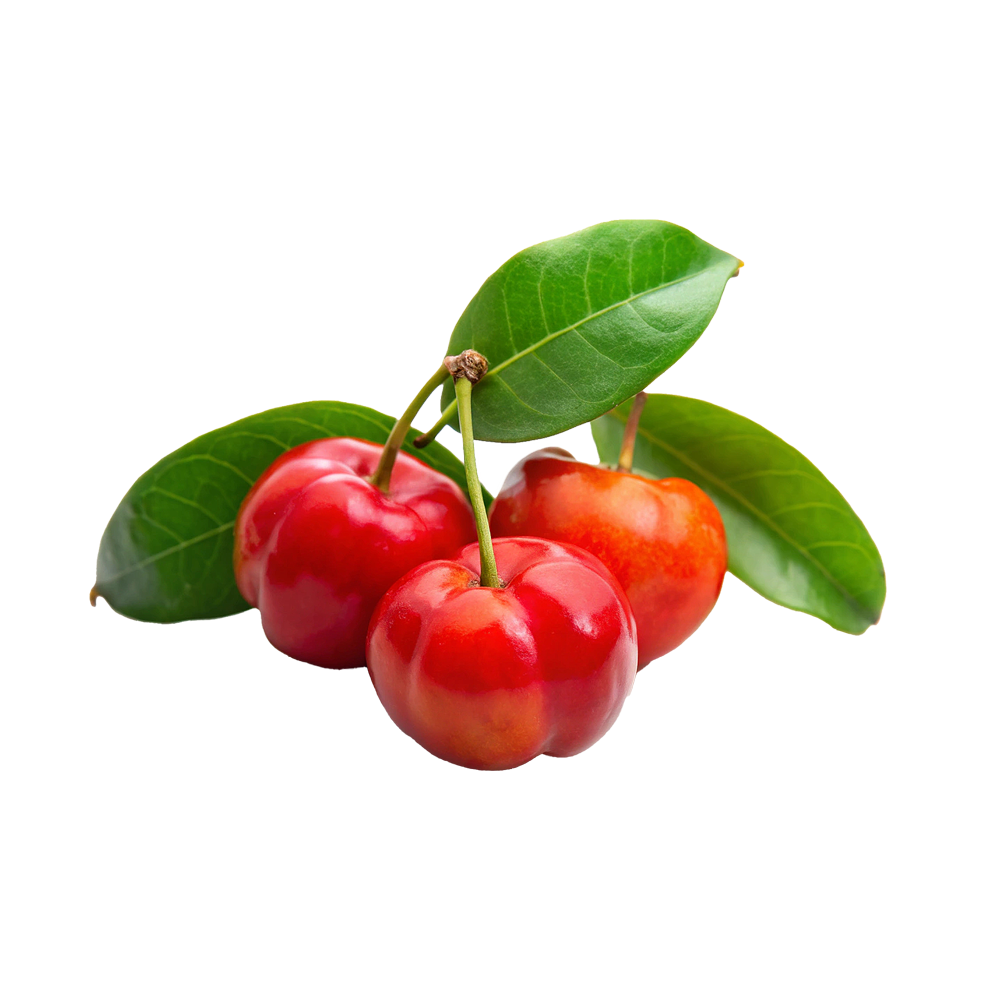
Acerola is a shrub or a small tree. Its fruit is similar to a cherry and turns red when ripe. It is a rich source of vitamin C. Acerola also contains many minerals and other vitamins, including beta-carotene, lutein, thiamine (vitamin B1), riboflavin (vitamin B2), niacin (vitamin B3), pyridoxine (vitamin B6), folic acid, and pantothenic acid (vitamin B5). It originates from Central America, South America, Mexico, and the Caribbean.
Acerola is often used to prevent vitamin C deficiency. It is also used for colds, diarrhea, and other conditions, but there is no good scientific evidence to support these other uses. Acerola is a rich source of vitamin C. Taking acerola orally may help prevent or treat vitamin C deficiency. When taken orally, acerola fruit is possibly safe for most adults. The fruit contains a large amount of vitamin C. It should be taken in amounts that do not exceed 2000 mg of vitamin C per day. Higher doses may increase the risk of side effects such as severe diarrhea.

Pregnancy and breastfeeding: There is not enough reliable information to know whether acerola is safe to use during pregnancy or breastfeeding. Use caution and avoid amounts greater than those found in food.
Kidney stones (nephrolithiasis): In large doses, acerola may increase the risk of developing kidney stones. This is due to the vitamin C content in acerola.
Acerola interactions with medications: Warfarin interacts with acerola, as acerola contains vitamin C. Large amounts of vitamin C may reduce the effects of warfarin. Reducing the effects of warfarin may increase the risk of clotting. Be sure to check your blood regularly. The dose of warfarin may need to be adjusted.
Cancer medications (alkylating agents) interact with acerola, which contains vitamin C, an antioxidant. There is some concern that antioxidants may reduce the effectiveness of certain medications used to treat cancer. If you are taking such medications, consult your doctor before using acerola.
Acerola is used to strengthen the immune system, combat aging, and potentially reduce blood pressure. Research has shown that, in addition to its antioxidant effect, acerola also exhibits anti-inflammatory effects and is used to help prevent conditions such as diabetes, dyslipidemia, obesity, and cancer.