
Alho fermentado

Allium sativum L. – Alliaceae
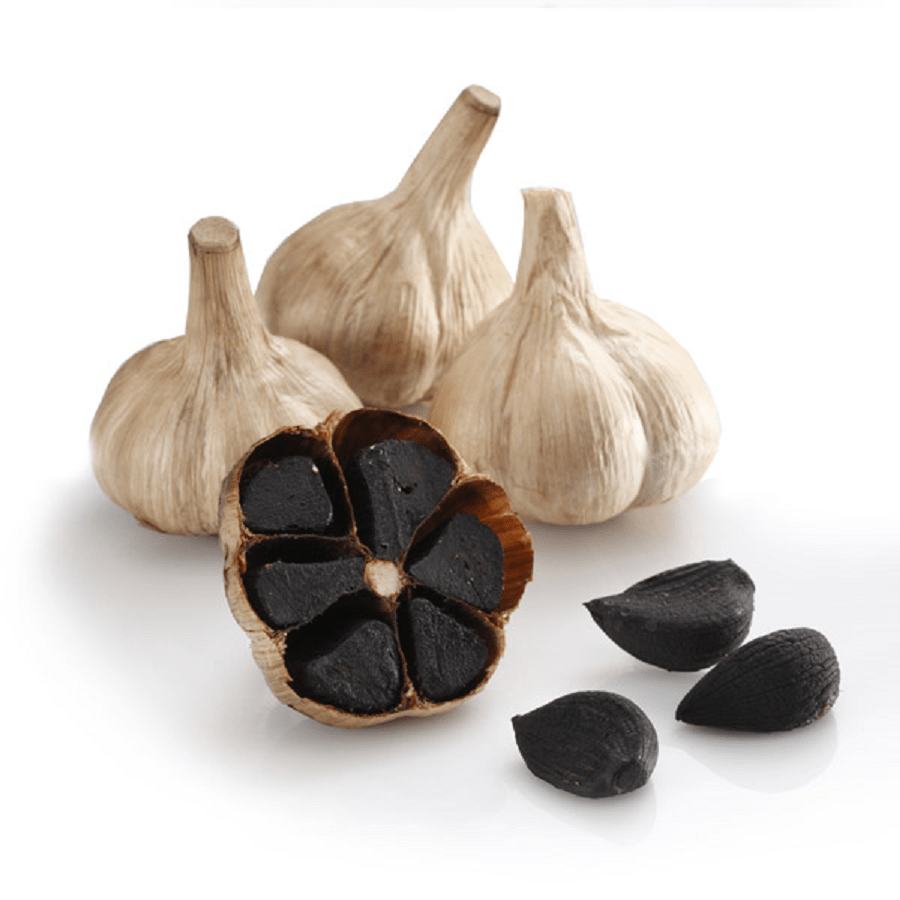
O alho fermentado obtém-se através de um processo de fermentação, expondo o alho fresco a valores elevados de temperatura e humidade durante um período prolongado. Durante o processo de fermentação, no interior do alho ocorrem numerosas reações químicas (principalmente a reação de Maillard) e enzimáticas que resultam na alteração da cor do alho (de branco para escuro/preto), na alteração do sabor (torna-se doce-azedo) e na perda do cheiro característico e intenso do alho. Além disso, a fermentação aumenta múltiplas vezes o teor de polifenóis e flavonoides, que são os principais responsáveis pelas propriedades antioxidantes. Adicionalmente, a S(+)-alilcisteína é considerada a substância bioativa presente na maior proporção, à qual se atribuem numerosos benefícios para a saúde:
1. Potente antioxidante;
2. Previne processos inflamatórios (ação anti-inflamatória);
3. Melhora o perfil lipídico (reduz a obesidade);
4. Protege o coração e os vasos sanguíneos (ação cardioprotetora);
5. Influencia a regeneração e proteção do fígado (ação hepatoprotetora);
6. Reduz a concentração de açúcar no sangue (ação hipoglicemiante);
7. Inibe o crescimento de células tumorais (ação antitumoral);
8. Protege e regenera as células nervosas (ação neuroprotetora e neuroregenerativa);
Referências
- Black Garlic Improves Heart Function in Patients With Coronary Heart Disease by Improving Circulating Antioxidant Levels
- The Effect of Black Garlic (Allium sativum Linn) on Cardiac and Aortic Histopathology in Experimental Studies in Obesity Rats
- Effects of an Optimized Aged Garlic Extract on Cardiovascular Disease Risk Factors in Moderate Hypercholesterolemic Subjects: A Randomized, Crossover, Double-Blind, Sustainedand Controlled Study
- In vitro studies of an aged black garlic extract enriched in S-allylcysteine and polyphenols with cardioprotective effects
- Black Garlic and Its Bioactive Compounds on Human Health Diseases: A Review
- Impact of steaming pretreatment process on characteristics and antioxidant activities of black garlic (Allium sativum L.)
- Modulation of local and systemic immune responses by fermented garlic extract
- Immune Competence and Minimizing Susceptibility to COVID-19 and Other Immune System Threats
- Chloroform extract of aged black garlic attenuates TNF-α-induced ROS generation, VCAM-1 expression, NF-κB activation and adhesiveness for monocytes in human umbilical vein endothelial cells
- The effects of allium sativum on immunity within the scope of COVID-19 infection
- Garlic (Allium sativum L.): a potential unique therapeutic food rich in organosulfur and flavonoid compounds to fight with COVID-19
- Herbal and Natural Dietary Products: Upcoming Therapeutic Approach for Prevention and Treatment of Hepatocellular Carcinoma
- Dietary Natural Products for Prevention and Treatment of Liver Cancer
- Black Garlic and Its Bioactive Compounds on Human Health Diseases: A Review
- Neuroprotection by spice-derived nutraceuticals: you are what you eat!
- Protective effects of functional foods against Parkinson’s disease: A narrative review on pharmacology, phytochemistry, and molecular mechanisms
- Gastroprotective effect of garlic in indomethacin induced gastric ulcer in rats
- The Protective Effect of Aged Garlic Extract on Nonsteroidal Anti-Inflammatory Drug-Induced Gastric Inflammations in Male Albino Rats
- Onion and garlic intake and the odds of benign prostatic hyperplasia
- Potential of S-Allyl Cysteine, a Major Bioactive Component of Garlic, As Hypoglycemic and Hypolipidemic Agent
- Lactobacillus bulgaricus improves antioxidant capacity of black garlic in the prevention of gestational diabetes mellitus: a randomized control trial
- Effect of Garlic and Aged Black Garlic on Hyperglycemia and Dyslipidemia in Animal Model of Type 2 Diabetes Mellitus
- Antioxidant effect of garlic and aged black garlic in animal model of type 2 diabetes mellitus